
Most pet clothes only need a wash when they look dirty, smell off, or have picked up something you would not want touching your pet's skin. For a lightly worn shirt or bandana, that might mean every few wears. Heavy use, muddy walks, or a pet who likes to roll around means more frequent washing.
A quick way to decide is to use a simple check:
- Wash after mud, grass stains, or anything greasy like food or oil.
- Wash after your pet has been sick, had an accident, or been in a messy spot.
- Wash if you see sweat stains, a damp smell, or the fabric feels stiff.
- Wash a bandana after a day of drool, since it can get sour fast.
- Give a winter coat a look after every few walks in wet weather and wash it when the lining or outer layer feels grimy.
Thin cotton tees, like the Pet Passion Toby II Dog T-Shirt, Pink Tie Dye, can get sweaty and cling to fur quickly, so they often need washing sooner than a costume that only comes out for photos. A costume worn once for an hour may just need a light spot clean and a good airing out. Check the care label on any costume before washing, since the fabric and any decorations can change what is safe to do.
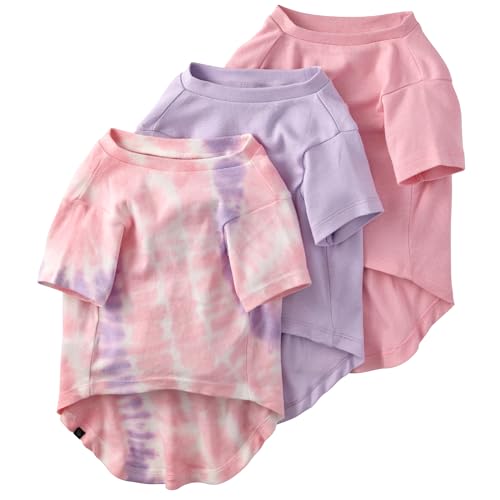
Pet Passion Toby II Dog T-Shirt, Pink Tie Dye
A soft organic cotton tee for dogs with short sleeves and a leash opening near the harness.
Product information
Our review: 4.0 out of 5
Product links
Check the care label and the maker's instructions before you wash anything new. Those are the best guide for how often and how hard a specific item can handle it.
Washing Pet Clothes Without Ruining Them
Most pet clothes hold up better than people expect, as long as you wash them the right way. The biggest mistakes are usually hot water, harsh soap, and tossing everything in the dryer on high. Those habits can shrink cotton, fade prints, stretch elastic, and wear down the stitching on the seams.
Start by turning each piece inside out before it goes in the machine. This protects printed designs, rhinestones, and any appliqués from rubbing against the drum. If there is a costume with a zipper, Velcro, or buckles, fasten those first so they do not snag on other clothes. Put small items like bandanas or socks in a mesh laundry bag so they do not get tangled up in a shirt or a sleeve.
Use a gentle or delicate cycle with cold or lukewarm water. Cold water is easier on dyes and helps keep the shape of knit fabrics. For detergent, pick a mild, fragrance-light formula and use less than the label suggests for a small load. Too much soap is hard to rinse out, and leftover residue can make fabric feel stiff and can make the smell worse over time. Skip fabric softener, since it can coat the fibers and reduce how well a coat or a bandana absorbs moisture.
Be careful with bleach and strong stain removers. Those products can fade colors and weaken some fabrics, and some are harmful if they are not rinsed out fully. If you use any cleaning product on a costume or coat, read its label and the maker's instructions first, and make sure the rinse cycle runs completely. Keep all cleaning products stored where pets and kids cannot get into them.
For a padded vest or a winter coat, check the label before you put it in a washer at all. Some padded pieces need to be spot cleaned or sent to a cleaner, and the wrong cycle can clump the filling or damage the lining. When in doubt, follow the care label and the maker's instructions rather than guessing.
Drying and Storing Pet Clothes Between Wears
Drying matters just as much as washing, and it's where a lot of good pet clothes quietly get ruined. Heat is the big enemy here. A hot dryer can shrink knits, warp rhinestone or printed details, and stretch out the elastic in a bandana or a shirt collar. If the care label allows a machine dryer, use the lowest heat setting you can, and pull items out while they're still a little damp.
For most shirts, polo tops, and bandanas, laying them flat on a towel or a drying rack works better than hanging. Hanging a wet knit tee by the shoulders can leave bumps and stretch the neck. Flip the item over halfway through so the bottom gets air too. Thick padded vests and winter coats can take a long time to dry, so lay them flat somewhere with good airflow and keep them away from a radiator or space heater. Damp filling can start to smell musty if it sits too long.

Parisian Pet Classic Blue Cotton Dog Polo Shirt
A sharp blue polo with a collar and buttons that gives your pup a neat, preppy look for everyday outings.
Product information
Our review: 4.0 out of 5
Product links
Make sure everything is fully dry before you put it away. Stashing a shirt that still feels cool or damp in a drawer or a closed bin is the fastest way to get a sour smell back in a few days. Give a costume or coat a quick sniff test and a feel test along the seams and the thickest part of the fabric.
For storage, a few simple habits go a long way:
- Fold knit shirts and tees instead of cramming them into a tight pile, so the fabric doesn't stretch out of shape.
- Hang structured pieces like padded jackets on a sturdy hanger, and keep heavier items off hooks that could pull the shoulders.
- Use a breathable bin or a cotton bag rather than a sealed plastic tub, which can trap leftover moisture.
- Keep costumes with glued-on decorations or loose trim in a flat spot so they don't get bent or snagged.
- Store clothes somewhere dry and cool, away from direct sun, which can fade bright prints over time.
Costumes often need a little extra care. Many have wire, plastic parts, or small decorations, so check them over before you box them up. Pack them with tissue paper or a clean cloth in the folds so pieces don't press into each other. And if a costume has any battery-powered light or sound part, take the batteries out before storing it, and check the maker's instructions for the right way to handle them. Leaking batteries can ruin an outfit fast and are a real hazard around pets and kids.
Keep storage spots clear of mothballs and strong air fresheners. The smell can soak into fabric and is hard to wash out, and mothballs in particular are a chemical that should stay well out of reach of pets and children. If you're not sure what's safe to store near pet clothes, check the product's own safety information and ask your vet if you have concerns.
Quick Tips for Stain and Odor Problems
Stains and smells are the problems most pet owners run into sooner or later. The good news is that many of them come out with a bit of patience and the right first move. The trick is to act fast, since dried mud and set-in odor are much harder to deal with than fresh ones.
Start by blotting, not rubbing. Press a clean cloth or paper towel onto the spot to lift what you can. Rubbing pushes the stain deeper into the weave and can fray the fabric around a print or a bit of trim. Work from the outside of the stain toward the middle so it doesn't spread.
For a fresh stain on cotton, try cold water first. Hold the spot under the tap from the back of the fabric so the stain pushes out the front, not further in. Only move to a mild detergent once the water runs mostly clear. Test any product on a hidden seam first, and keep it away from decorations, rhinestones, and dyed prints until you know how they react.
Smells that linger after a wash often come from the fabric holding onto sweat or drool, not from the wash itself. Try these steps:
- Soak the item in cold water for 30 minutes before the regular cycle.
- Air it out in the shade for a full day before you decide it's still smelly.
- Wash it again on its own rather than piling it in with other loads.
- If the odor persists, check the care label and the maker's instructions before trying anything stronger.
Be careful with homemade fixes and strong cleaners. Bleach, vinegar mixed with other products, and concentrated stain removers can all cause problems, and mixing two cleaning products can release fumes that irritate your lungs. Use one product at a time, open a window, and rinse thoroughly. If a stain or odor is on a padded vest or a costume with batteries, skip the soak and take it to a professional cleaner instead, since water can reach the filling or the electronics.

